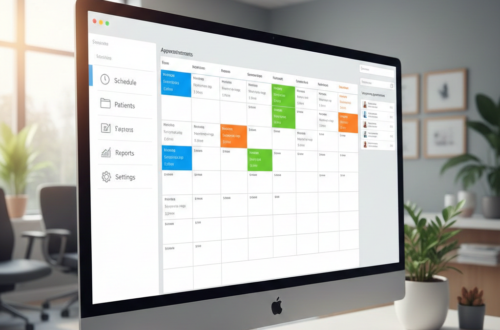
In today’s digital world, healthcare practices are moving fast to improve operational efficiency, enhance patient experience, and reduce the burden of administrative tasks. Patient intake software is revolutionizing patient onboarding by replacing paper forms, manual check-in processes with streamlined, automated workflows.
From large hospitals to small clinics, the software modernizes patient registration and also impacts the care delivery and revenue cycle. Here are top 10 benefits that healthcare practices can expect from implementing patient intake software.
1. Faster, More Efficient Patient Registration
The whole registration process gets simplified when patient intake software is implemented in the system. Patients can complete digital forms before their visit or on arrival at the hospital, significantly reducing the wait times and eliminating bottlenecks at the front desk.
Modern and digital platforms allow flexible check-in via mobile devices, tablets, kiosks, or QR codes, making sure of a convenient experience for all patients.
2. Greater Data Accuracy and Fewer Errors
Manual data entry often leads to errors such as incorrect dates, illegible handwriting, and inconsistent formats which are common issues. Digital intake forms make sure that standardized, accurate data capture takes place, which directly feeds into Electronic Health Records (EHR) without any transcription mistakes.
Accurate data improves clinical decision-making and also helps in reducing claim denials caused by demographic and technical errors.
3. Reduced Administrative Burden
Healthcare staff spend a significant amount of time handling paperwork and repetitive tasks. Patient intake software removes the manual form distribution, scanning, and data entry, reducing load on the staff, so they can focus on patient care and support tasks that truly matter.
This automation reduces burnout by minimizing routine administrative workload.
4. Improved Patient Experience and Satisfaction
The key driver to patient experience is loyalty and retention. Just as they do in retail or travel, today’s patients expect digital convenience in healthcare. Patient intake management software help patients in completing forms in their own convenience, which reduces frustration and wait times.
Multilingual forms and smart logic which only asks for relevant information enhance the usability and satisfaction of the patients.
5. Enhanced Communication and Engagement
Patient intake software includes tools for automated reminders and notifications. With the help of digitalization, hospitals or practices can send appointment confirmations, reminders, and payment alerts through email or text, reducing missed appointments and improving communication.
Better communication brings stronger patient engagement, and builds trust that is crucial in competitive healthcare markets.
6. Seamless Integration with EHR and Practice Management Systems
Bi-directional integration is a major advantage with existing EHR and practice management systems. Patient data is entered during intake flows directly into clinical records, removing the duplicate entries and making sure that the providers have up-to-date information before the consultations start.
The connected workflows enhance operational efficiency and brings better clinical care.
7. Faster Payment Collection and Revenue Impact
Revenue cycle gets significantly improved with patient intake softwares. These digital tools enable online payment collection, real-time eligibility checks, and transparent co-pay or any deductible information before the visit.
Practices often see an increase in collections and fewer unpaid balances once they implement the digital intake process.
8. Higher Completion Rates
One of the key metrics for successful intake is the completion rate. It is the percentage of patients who fully submit the required forms prior to their visit. Intelligent form design, real-time progress monitoring, and automated reminders to prompt the patient to finish intake tasks becomes easier with digital solutions..
This reduces in-office delays and improves overall efficiency.
9. Better Data Security and Compliance
Handling patient information on digital platforms allows for better security measures that paper form cannot match. Encryption, access controls, audit trails to protect sensitive data, and compliance with regulations such as HIPAA and other privacy regulations are included in advanced patient intake platforms.
Digital patient intake software reduces legal and reputational risk for practices.
10. Enhanced Operational Insights and Analytics
Digital intake systems generate valuable data on patient behavior, form completion patterns, and workflow bottlenecks. Hospitals and practices can use these analytics to optimize staffing, improve scheduling and allocate resources more efficiently.
Data-driven insights empower practice leaders to make informed decisions that drive quality and growth.
Conclusion
Patient Check-in software is more than a digital alternative to clipboards and paper forms. It’s a transformative tool that boosts efficiency, enhances patient experience, and boosts financial health of healthcare practices. By automating workflows, improving data accuracy, and increasing operational visibility, healthcare organizations can focus on high-quality patient care.
In an era where patient expectations are continuing to rise with the intensifying operational pressure, adopting modern patient intake software is not optional but a quintessential healthcare practice..