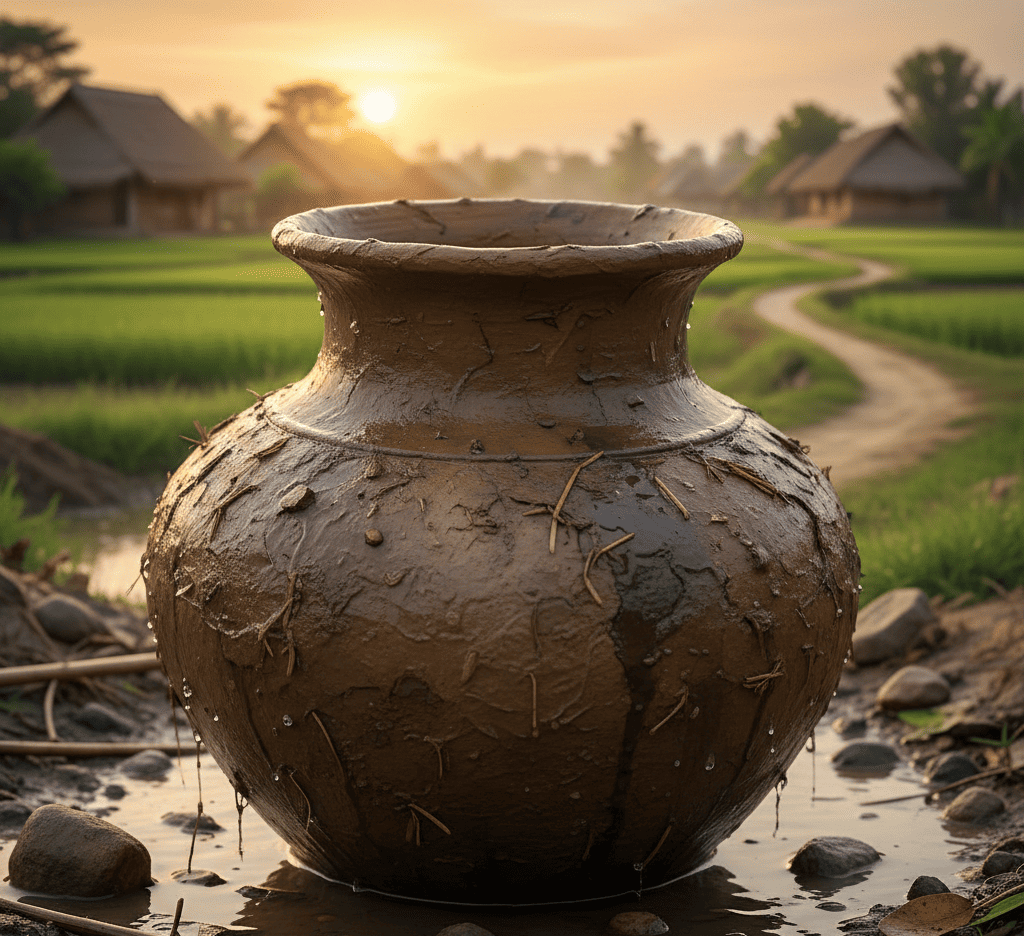
Discover the benefits of cooking in a mud pot, common customer pain points, and practical solutions. Learn why mud pots are a healthier, eco-friendly choice for modern kitchens.
Mud Pot Magic: A Timeless Kitchen Essential Making a Modern Comeback
In an age dominated by non-stick cookware and stainless steel utensils, the humble mud pot is making a powerful comeback. Rooted in centuries-old culinary traditions, mud pots are not just nostalgic artifacts—they are practical, healthy, and environmentally friendly tools that can transform your cooking experience.
From enhancing flavors to improving nutrition, mud pots are increasingly being embraced by health-conscious and eco-aware households. But despite their benefits, many customers hesitate to switch due to concerns about durability, maintenance, and usability.
In this comprehensive guide, we’ll explore everything you need to know about mud pots, address common customer pain points, and provide actionable solutions to help you confidently incorporate them into your kitchen.
What Is a Mud Pot?
A mud pot, also known as an earthen pot or clay pot, is made from natural clay and hardened through firing. Unlike metal cookware, mud pots are porous and allow slow, even heat distribution. This unique property enhances the aroma, taste, and nutritional value of food.
Mud pots are commonly used for cooking rice, curries, stews, biryanis, and even desserts. Their ability to retain moisture and heat makes them ideal for slow cooking.
Why Choose a Mud Pot?
1. Health Benefits
Mud pots are free from harmful chemicals often found in synthetic cookware coatings. Cooking in a mud pot:
- Retains natural nutrients
- Requires less oil
- Adds trace minerals like calcium, phosphorus, and magnesium
For people dealing with lifestyle-related health issues, switching to mud pots can be a small yet impactful step toward healthier eating.
2. Superior Taste and Aroma
One of the most noticeable advantages of a mud pot is the rich, earthy flavor it imparts. The slow cooking process allows spices to blend deeply, enhancing the overall taste of the dish.
If you’ve ever felt that your food lacks depth or aroma, a mud pot might be the missing ingredient.
3. Eco-Friendly Cooking
Mud pots are made from natural materials and are biodegradable. Unlike plastic or chemically coated cookware, they don’t harm the environment during production or disposal.
For environmentally conscious consumers, mud pots are a sustainable kitchen upgrade.
4. Heat Efficiency
Mud pots distribute heat evenly and retain it for longer periods. This means:
- Lower energy consumption
- Reduced chances of burning food
- Better cooking control
Common Customer Pain Points (and Solutions)
Despite the benefits, many people hesitate to use mud pots due to certain challenges. Let’s address the most common concerns.
Pain Point 1: “Mud Pots Break Easily”
The Concern
Customers often worry that mud pots are fragile and prone to cracking.
The Reality
While mud pots are more delicate than metal cookware, proper handling significantly reduces breakage risk.
Solution
- Always season your mud pot before first use
- Avoid sudden temperature changes
- Use low to medium heat instead of high flames
- Place a heat diffuser if needed
With these precautions, a good-quality mud pot can last for years.
Pain Point 2: “Maintenance Is Too Complicated”
The Concern
Many people believe mud pots require complicated cleaning and care routines.
The Reality
Maintenance is simple once you understand the basics.
Solution
- Wash with warm water and a soft sponge
- Avoid harsh detergents
- Dry completely before storing
- Occasionally sun-dry to prevent moisture buildup
This minimal care routine ensures hygiene and longevity.
Pain Point 3: “Cooking Takes Too Long”
The Concern
Modern lifestyles demand quick cooking, and mud pots are associated with slow cooking.
The Reality
While cooking may take slightly longer, the benefits outweigh the extra time.
Solution
- Plan meals in advance
- Use mud pots for dishes that naturally require slow cooking
- Enjoy better taste and nutrition as a trade-off
Think of it as investing time for better health and flavor.
Pain Point 4: “Not Compatible with Modern Kitchens”
The Concern
Users worry that mud pots won’t work on gas stoves or modern setups.
The Reality
Most mud pots are compatible with gas stoves and even some induction setups (with proper accessories).
Solution
- Use a flame diffuser for even heat
- Start with low heat and gradually increase
- Check product compatibility before purchase
Pain Point 5: “Initial Preparation Is Confusing”
The Concern
Seasoning a mud pot seems intimidating for beginners.
The Reality
Seasoning is a one-time process that strengthens the pot and improves performance.
Solution (Simple Seasoning Steps)
- Soak the pot in water for 12–24 hours
- Dry it completely
- Apply a thin layer of oil
- Heat gently with water or starch-based liquid (like rice water)
Once seasoned, your mud pot is ready for regular use.
How to Use a Mud Pot Effectively
To get the best results, follow these tips:
- Always start with low heat
- Avoid dry heating
- Use wooden or silicone utensils
- Cook dishes that benefit from slow simmering
- Allow the pot to cool naturally before washing
These practices enhance durability and cooking performance.
Best Dishes to Cook in a Mud Pot
Mud pots are incredibly versatile. Here are some popular dishes you can try:
- Biryani
- Dal and curries
- Sambar and rasam
- Stews and soups
- Rice dishes
- Slow-cooked vegetables
The slow cooking process enhances both taste and texture.
Who Should Use a Mud Pot?
Mud pots are ideal for:
- Health-conscious individuals
- Families looking to reduce chemical exposure
- Traditional cooking enthusiasts
- Eco-friendly consumers
- Food lovers seeking authentic flavors
Why Mud Pots Are Perfect for Modern Living
Despite being traditional, mud pots align perfectly with modern values:
- Health-first lifestyle → Chemical-free cooking
- Sustainability → Eco-friendly materials
- Mindful eating → Slow, intentional cooking
- Authentic taste → Rich and natural flavors
They bridge the gap between tradition and modern wellness.
Tips for Buying the Right Mud Pot
When purchasing a mud pot, consider:
- Quality of clay
- Thickness and finish
- Size based on family needs
- Compatibility with your stove
- Trusted seller or brand
A well-made mud pot ensures better performance and longevity.
Conclusion: Why MudKart Is Your Go-To Destination
If you’re ready to embrace healthier, tastier, and eco-friendly cooking, choosing the right source for your mud pot is crucial. That’s where MudKart stands out.
The website https://mudkart.com/ offers a curated selection of high-quality mud pots crafted with care and authenticity. Their products are designed to meet modern kitchen needs while preserving traditional cooking benefits. Whether you’re a beginner or an experienced user, MudKart provides reliable options that make the transition smooth and enjoyable.
Call to Action (CTA)
Ready to transform your cooking experience?
Explore premium-quality mud pots today at https://mudkart.com/ and bring home the perfect blend of tradition, health, and flavor!