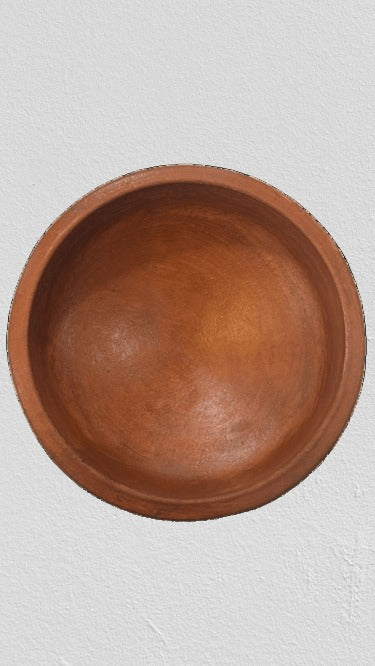
When it comes to sustainable construction, choosing the right materials can make a significant difference in the comfort, appearance, and overall efficiency of a building. A 12 inch filler slab is one such option that combines traditional terracotta craftsmanship with a practical approach to modern construction.
Mudkart offers 12″ Filler Slab Mud/Clay Pots, made from terracotta and designed for use in filler slab construction. The product is positioned as a lightweight, cost-effective, and environmentally friendly alternative for suitable slab applications.
What Is a 12 Inch Filler Slab?
A filler slab is a roofing technique in which lightweight filler materials are incorporated into an RCC slab to reduce the amount of concrete required in areas that contribute less to the slab’s structural performance.
A 12 inch filler slab mud pot uses 12-inch mud or clay pots as the filler material. These terracotta pots are placed within the slab according to the structural design, while reinforced concrete ribs provide the required structural support.
The terracotta filler itself is not intended to replace the structural reinforcement. The slab should be designed and executed by qualified structural professionals.
Why Use Mud Pots in Filler Slabs?
Traditional RCC slabs can use a substantial amount of concrete throughout their depth. Filler slab construction can reduce unnecessary material usage by replacing portions of the slab’s non-structural volume with lightweight filler materials.
Mudkart highlights several benefits of its terracotta filler slab products, including lightweight construction, cost savings, natural aesthetics, and the use of environmentally friendly materials.
1. Lightweight Construction
One of the key advantages of a filler slab is reduced weight compared with a conventional solid concrete slab of comparable configuration.
Using terracotta filler pots can help reduce the amount of concrete used in appropriate slab designs. This can contribute to a lighter roof structure while maintaining the structural system designed by the engineer.
2. Reduced Material Usage
Filler slab construction can reduce the quantity of concrete and, depending on the structural design, steel required for the slab.
Mudkart specifically notes that its filler slabs require less concrete and steel, which can contribute to construction savings.
3. Better Thermal Comfort
Terracotta and the air spaces created around filler pots can contribute to thermal insulation. Mudkart’s filler slab guidance describes filler slabs as particularly attractive for hot or humid climates because the filler material offers heat resistance.
For homes in warm regions, this can be an important consideration when selecting roofing and ceiling construction techniques.
4. Natural Aesthetic Appeal
A conventional concrete ceiling can have a plain appearance, while exposed terracotta filler pots can create a distinctive architectural character.
The natural earthy appearance of clay can complement homes, villas, studios, and other spaces where sustainable materials and traditional design elements are part of the overall architectural concept.
5. Eco-Friendly Construction
Terracotta is a natural material, and using clay-based filler products can support construction approaches that incorporate locally made and traditional materials.
Mudkart describes its filler slab products as eco-friendly and made in India.
12 Inch Filler Slab vs Conventional Slab
The main difference is how the slab volume is used.
In a conventional RCC slab, concrete occupies the entire slab depth. In a filler slab, suitable areas are occupied by lightweight filler materials while reinforced concrete ribs and other structural components provide the required strength.
| Feature | 12 Inch Filler Slab | Conventional RCC Slab |
|---|---|---|
| Filler material | Terracotta/mud clay pots | Primarily concrete |
| Weight | Can be lighter | Generally heavier |
| Concrete usage | Can be reduced | Higher |
| Appearance | Natural terracotta aesthetic possible | Conventional concrete finish |
| Thermal performance | Can contribute to insulation | Depends on overall slab design |
| Sustainability | Uses natural terracotta filler | Higher concrete consumption |
| Structural design | Requires professional engineering | Requires professional engineering |
The actual material savings, structural performance, and suitability depend on the building design, span, loading, reinforcement, and construction method.
Where Can 12 Inch Filler Slab Pots Be Used?
12-inch filler slab mud pots can be considered for suitable residential and architectural construction projects where filler slab construction is part of the structural design.
Potential applications may include:
- Residential homes
- Sustainable architecture projects
- Villas and independent houses
- Eco-friendly buildings
- Renovation or architectural projects where filler slabs are appropriate
- Projects seeking a natural terracotta ceiling aesthetic
However, the correct filler size should always be selected based on the structural design rather than simply choosing a pot based on its dimensions.
Is a 12 Inch Filler Slab Strong?
The strength of a filler slab does not depend on the terracotta pot acting as the primary structural element.
In a properly engineered filler slab, the reinforced concrete ribs and structural reinforcement provide the required load-bearing capacity, while the pots function as filler material. Mudkart’s related guidance similarly explains that structural strength comes from correctly engineered reinforcement and concrete ribs around the pots.
For this reason, filler slab construction should be planned with a qualified structural engineer before installation.
How Do Filler Slabs Help Reduce Construction Costs?
A filler slab can potentially reduce construction costs by lowering the amount of concrete required in suitable parts of the slab. Mudkart highlights reduced concrete and steel usage as one of the cost-saving benefits of its filler slab products.
However, total project cost also depends on labour, reinforcement, transportation, installation, structural requirements, and local material prices. Therefore, the actual savings should be calculated for each project.
Why Choose Terracotta for a Filler Slab?
Terracotta offers a combination of functionality and visual appeal. It is naturally earthy, lightweight compared with solid concrete, and can complement sustainable architectural designs.
Mudkart’s 12-inch filler slab pots are presented as terracotta products that combine aesthetics, lightweight construction, strength and stability within the appropriate structural system, cost-effectiveness, and environmental considerations.
Things to Consider Before Installing a 12 Inch Filler Slab
Before selecting 12-inch filler pots for a project, consider:
- Structural design: Consult a structural engineer to determine whether filler slab construction is suitable.
- Pot dimensions: Confirm that the 12-inch size fits the planned slab configuration.
- Spacing: Follow the structural drawing for correct placement and spacing.
- Material quality: Use suitable, properly manufactured terracotta filler pots.
- Installation: Ensure the contractor has experience with filler slab construction.
- Load requirements: Consider the building’s intended loads and span.
- Finish: Decide whether the terracotta elements will remain visible or receive a ceiling finish.
Why Choose Mudkart’s 12 Inch Filler Slab Mud Pots?
Mudkart lists its 12″ Filler Slab Mud/Clay Pots as part of its filler slab collection. The product is presented as a terracotta solution offering lightweight construction, cost-effective building, natural aesthetics, and environmentally friendly material use.
For architects, homeowners, and builders exploring sustainable construction methods, these mud/clay pots can be considered as part of a professionally designed filler slab system.
Conclusion
A 12 inch filler slab offers an alternative approach to conventional slab construction by incorporating terracotta mud pots as lightweight filler material. It can help reduce concrete usage, contribute to thermal comfort, provide a distinctive natural appearance, and support more material-efficient construction.
Mudkart’s 12″ Filler Slab Mud/Clay Pots bring together traditional terracotta material and modern sustainable construction practices.
If you are planning to use 12-inch filler pots in a building project, make sure the slab is designed and approved by a qualified structural engineer to ensure the appropriate reinforcement, spacing, loading, and construction method.
Frequently Asked Questions
1. What is a 12 inch filler slab?
A 12 inch filler slab is a slab construction system that incorporates 12-inch mud or clay pots as lightweight filler material within a structurally engineered reinforced concrete slab.
2. Are 12 inch filler slab pots eco-friendly?
Terracotta is a natural material, and Mudkart describes its filler slab pots as eco-friendly and made in India.
3. Can filler slabs make a building cooler?
Filler slab construction can contribute to thermal comfort because terracotta and the air spaces around filler materials can provide insulation. The actual thermal performance depends on the complete building design.
4. Do filler slabs reduce concrete usage?
Yes. Filler slab systems are designed to replace portions of the slab volume with lightweight filler materials, potentially reducing concrete consumption.
5. Are 12 inch mud pots structural?
The mud pots function as filler material rather than the primary structural component. The structural capacity comes from the reinforced concrete and reinforcement designed for the project.