Artificial intelligence is rapidly transforming the creative world. Artists, designers, and photographers are now using AI tools to produce unique digital artworks in minutes. From surreal digital paintings to hyper-realistic illustrations, AI-generated art is becoming a powerful part of modern creativity.
However, many creators want to move beyond screens and turn their digital works into museum-quality fine art prints. This is where Giclée printing becomes essential. With advanced printing technology, AI artworks can be reproduced as high-resolution archival prints that maintain color accuracy, detail, and longevity.
The Growing Popularity of AI-Generated Art
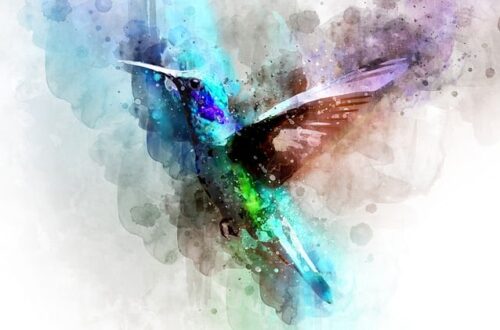
AI art tools allow artists to explore creativity in completely new ways. Digital creators can generate complex visual compositions, experiment with different artistic styles, and produce artwork that would normally take days or weeks to complete.
Today, AI artwork is widely used in:
- Digital illustration and concept art
- Online art marketplaces
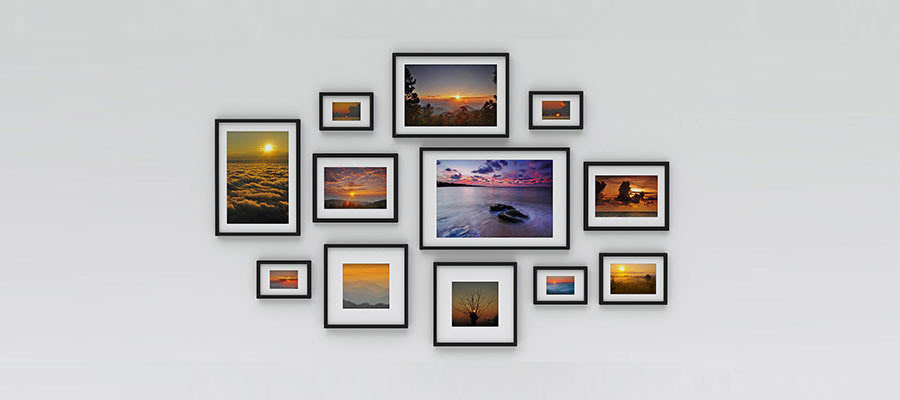
- Wall décor and interior design
- NFT and digital collectible platforms
- Graphic design and creative branding
While digital files are easy to share online, artists often want to produce physical fine art prints that can be displayed, sold, or exhibited. High-quality fine art printing services make it possible to transform digital files into gallery-quality prints.
What Is Giclée Printing?
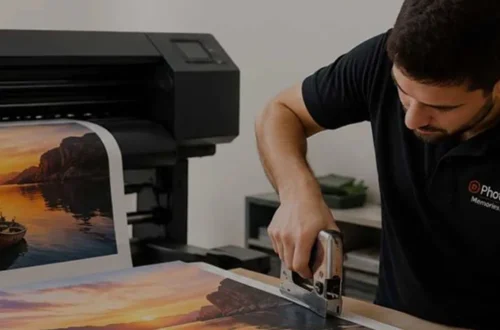
Giclée printing is one of the most trusted methods for producing professional fine art prints. The process uses advanced inkjet technology combined with archival pigment inks and premium fine art paper.
Unlike standard digital printing, Giclée printing focuses on museum-grade reproduction quality. It ensures that every detail of the original artwork is captured with precision.
Key features of Giclée printing include:
- Ultra-high resolution printing
- Archival pigment-based inks
- Acid-free fine art paper or canvas
- Superior color accuracy and depth
Because of these qualities, Giclée printing is commonly used by artists, galleries, museums, and professional photographers.
How AI Art Becomes a Museum-Quality Print
Turning AI-generated artwork into a professional archival fine art print involves several important steps.
1. Creating High-Resolution Artwork
For high-quality printing, digital artwork must be prepared in high resolution (300 DPI or higher). This ensures that every detail of the artwork appears sharp and clear when printed.
High-resolution files are especially important for large format Giclée prints, where even minor pixelation can affect the final result.
2. Color Calibration and Accuracy
Digital screens display colors differently than printed materials. To maintain color consistency, professional print studios use color calibration and ICC color profiles.
Proper color management helps ensure that the fine art print matches the original digital artwork as closely as possible.
3. Selecting Premium Fine Art Paper
The choice of paper greatly influences the look and feel of the final print. Many artists prefer museum-grade archival paper for its durability and texture.
Common options include:
- Cotton Rag Paper – Ideal for digital paintings and illustrations
- Textured Watercolor Paper – Mimics traditional painting surfaces
- Matte Fine Art Paper – Perfect for photography and modern digital art
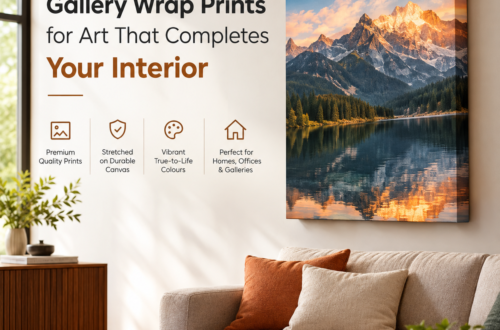
- Canvas Giclée Prints – Suitable for gallery-style wall displays
These materials enhance the visual depth and professional appearance of the print.
4. Using Archival Pigment Inks
One of the biggest advantages of Giclée printing is the use of archival pigment inks. These inks are designed to resist fading and maintain color vibrancy for decades.
When combined with acid-free fine art paper, Giclée prints can last 100 years or more under proper conditions.
This durability makes them ideal for collectible art prints and gallery exhibitions.
Why Artists Choose Giclée Printing for AI Artwork
As digital art grows in popularity, more artists are turning to Giclée printing services to produce high-end physical versions of their work.
Here are some key benefits:
Exceptional Print Quality
Giclée printing captures even the smallest textures and color gradients found in digital artwork.
Gallery-Quality Presentation
Artists can produce museum-quality art prints suitable for galleries and exhibitions.
Long-Lasting Archival Prints
Archival materials ensure that artwork maintains its original beauty for decades.
Limited Edition Art Prints
Artists can create limited edition Giclée prints, increasing the exclusivity and value of their artwork.
Opportunities for Digital Artists
The combination of AI art and fine art printing is opening new opportunities for artists around the world.
Creators can now:
- Sell limited edition fine art prints online
- Exhibit digital art in physical galleries and exhibitions
- Produce premium wall art prints for interior designers
- Offer custom Giclée prints for collectors and buyers
This approach allows digital artists to build a sustainable art business while reaching a broader audience.
The Future of AI Art and Fine Art Printing
Technology continues to push the boundaries of creativity. As AI tools evolve, artists will have even more ways to generate unique visual experiences.
At the same time, the demand for high-quality art prints, archival prints, and gallery-quality wall art will continue to grow. People still value physical artwork that can be displayed and appreciated in real spaces.
By combining AI-generated creativity with professional Giclée printing, artists can bring digital masterpieces into the physical world while maintaining museum-level quality.
Conclusion
AI technology is reshaping the art world, but the importance of fine art printing remains stronger than ever. Through Giclée printing, archival pigment inks, and premium fine art paper, digital artworks can be transformed into museum-quality prints that last for generations.
For modern creators, the fusion of AI art and Giclée printing represents the perfect blend of innovation and craftsmanship, where digital imagination becomes timeless fine art.