Professional photo printing still matters in the age of digital photography because printed photographs preserve memories, showcase creative work, and bring digital images into the physical world. Although smartphones and cloud storage make it easy to capture and share pictures, printed photographs offer a lasting way to display family moments, professional portfolios, and artistic creations.
With high quality photo printing, you can transform digital images into beautiful prints for albums, wall décor, exhibitions, and personalised gifts.
1. Printed Photographs Preserve Special Memories
Digital photographs are convenient, but files can be accidentally deleted, lost, or forgotten in online galleries. Printed photographs provide a physical way to preserve meaningful moments.
Professional photo printing is ideal for:
- Wedding and family photographs.
- Travel memories and special occasions.
- Personal photo albums and gifts.
- Framed pictures for home décor.
Choosing suitable printing materials and storing photographs properly can help preserve their appearance for years.
2. Better Colour Accuracy and Image Detail
One major advantage of professional photo printing services is their ability to produce consistent colours and fine details using suitable printers, inks, papers, and colour-managed workflows.
Photographs can look different on smartphone screens and printed surfaces because screens and printers reproduce colours differently. Professional printing helps manage these differences to achieve a result that suits the original image.
High-resolution photo printing is particularly useful for detailed portraits, landscapes, artwork, and large-format photographs. However, the final quality also depends on the original image resolution and the materials used.
3. Transform Digital Images into Beautiful Wall Art
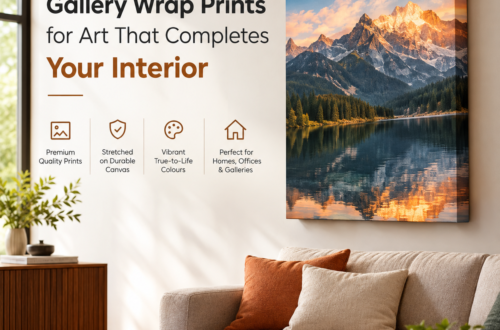
Printed photographs can make empty walls more attractive and personal. Homeowners, interior designers, and businesses use photographic prints to decorate living rooms, bedrooms, offices, hotels, and commercial spaces.
Popular options include:
- Canvas prints: Suitable for statement pieces and modern interiors.
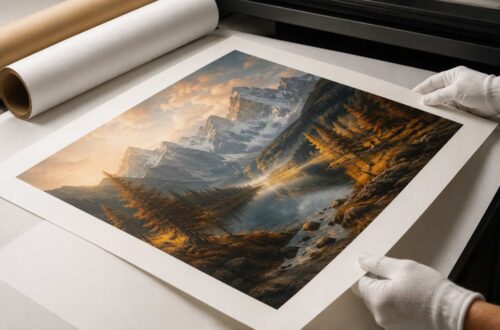
- Fine art prints: Ideal for artistic photography and creative work.
- Framed photo prints: Perfect for portraits and gallery walls.
- Large-format prints: Great for landscapes, architecture, and commercial displays.
Selecting the right print size, paper finish, and framing style helps create a display that complements the surrounding interior.
4. Professional Printing Supports Photographers and Artists
For professional photographers and artists, printed work is an important way to showcase creativity beyond digital platforms. Exhibitions, portfolios, galleries, and client presentations often require physical prints that highlight image quality and artistic details.
Professional photo printing services can provide specialised paper options and colour management to help artists achieve consistent results.
Photographers can also offer premium photo prints as framed artwork, limited-edition collections, and personalised products for their clients.
5. Online Photo Printing Makes Ordering Convenient
The growth of online photo printing services has made professional printing easier and more accessible. Customers can upload digital photographs, choose print dimensions, compare paper finishes, and place orders online.
Before ordering, check the image resolution, cropping preview, colour appearance, and recommended print size. Selecting the right material is equally important for achieving the desired finish.
6. Premium Photo Prints Enhance Presentation
Premium photo prints can provide a refined presentation through suitable papers, quality inks, and professional finishing options. They are useful for personal collections, gifts, creative portfolios, and exhibition displays.
For long-lasting prints, ask about ink technology, paper specifications, and archival-quality options. Print longevity varies according to the materials, display conditions, and exposure to light and moisture.
How to Choose the Right Photo Printing Service
Before placing an order, consider these factors:
- Print quality: Check the provider’s printing capabilities and sample work.
- Paper selection: Look for glossy, matte, lustre, and fine art options where needed.
- Colour management: Ask how colours are checked and reproduced.
- Print sizes: Ensure the service supports your intended dimensions.
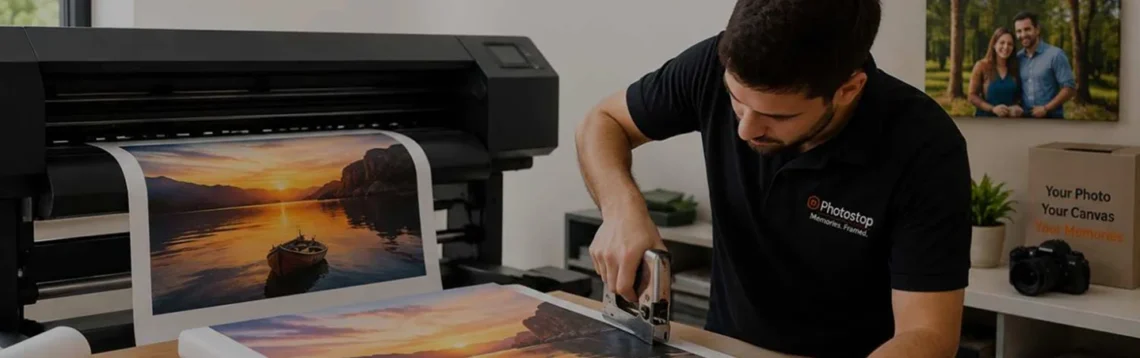
- Finishing options: Consider framing, canvas stretching, and other available services.
Conclusion
Digital photography has made capturing and sharing images easier than ever, but professional photo printing remains valuable for preserving memories, presenting artwork, and creating personalised interiors.
By combining high quality photo printing with suitable materials and professional colour management, you can turn digital photographs into meaningful physical displays. Whether you are decorating your home or preparing artwork for an exhibition, professional printing helps bring your images beyond the screen.
Frequently Asked Questions
1. Why choose professional photo printing instead of home printing?
Professional printing services may offer specialised printers, a wider selection of papers, colour management, and finishing options that are not available with every home printer.
2. What is high-resolution photo printing?
High-resolution photo printing uses images with sufficient pixel detail to produce clear prints at the intended size.
3. Are premium photo prints suitable for wall décor?
Yes. Premium photo prints are suitable for framed displays, canvas artwork, gallery walls, and personalised interiors.
4. Can I order professional photo prints online?
Yes. Online photo printing services allow you to upload photographs, select print sizes and finishes, and order prints conveniently.
5. How can I make printed photographs last longer?
Choose suitable printing materials, protect prints from direct sunlight and moisture, and consider appropriate protective framing or archival storage.